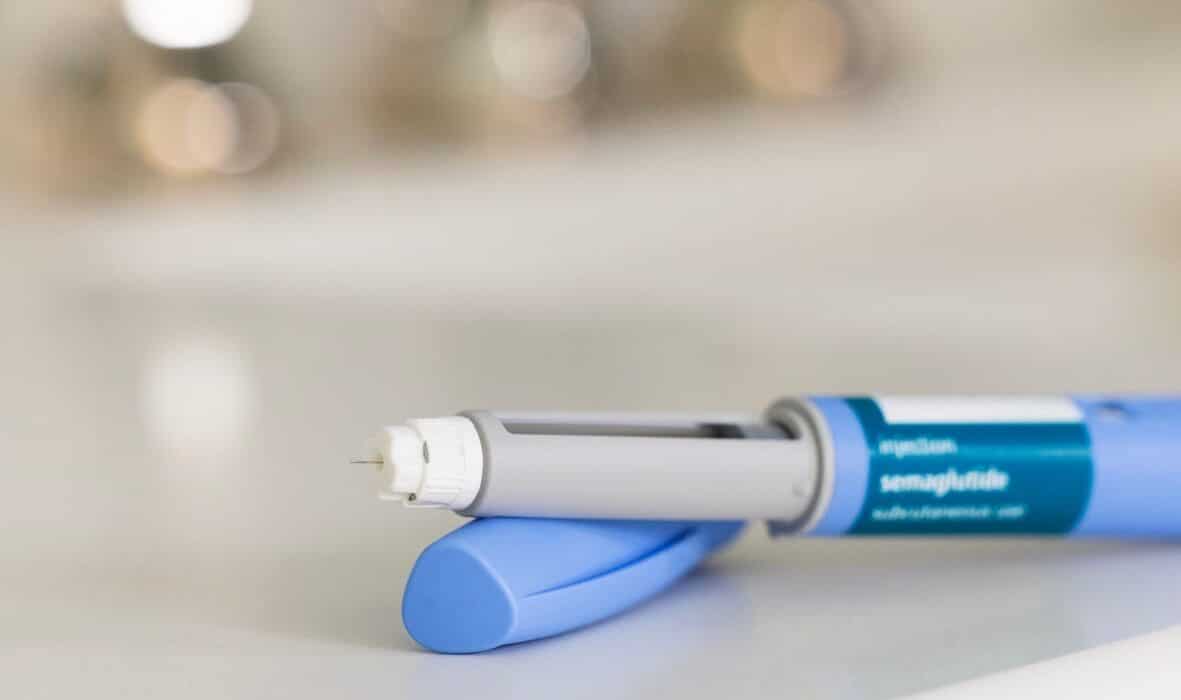
Talk about GLP-1 Receptor Agonists (or GLP-1s for short) is everywhere lately—on tv, the radio and all-over social media. Have you ever wondered what they can do for you as someone living with Type 1 diabetes?
First, let’s talk about how GLP-1s work. GLP-1 is a hormone that is released in our bodies after food is eaten, and it helps slow the emptying of food from the stomach into the intestines. This helps the body absorb nutrients from the food that has been eaten. When used as a medication, this can help you feel fuller and more satisfied after eating. Additionally, GLP-1s help the pancreas release insulin (if available) in response to eating. A GLP-1 medication injection mimics the body’s own production of the hormone.
It’s important to know that GLP-1s are currently only approved for use in type 2 diabetes and obesity. They are currently not approved for use in people living with type 1 diabetes. However, there have been studies done looking at the use of these medications in type 1 diabetes.
From the meta-analysis done, the results showed an average A1c reduction of 0.3%, weight loss of 4.8kg (or 10.5lbs) and insulin dose reductions of on average 5.5 units per day. While these results are not drastic, they certainly can have some benefit! One important thing to note is that most of these studies were done on older GLP-1s and not more recent options (like semaglutide).
The benefits of these medications don’t come without some side effects though, many of which you have likely heard of. Gastrointestinal side effects (nausea, vomiting, diarrhea, etc.) can be common and some people choose to discontinue the medication because of these. These medications can also increase your risk of ketosis. Lastly, the risk of hypoglycemia or low blood sugars is also increased when taking GLP-1s. Typically, a reduction in insulin doses is recommended when starting these medications to help reduce the risk of low blood sugars. It is also not recommended for people with gastroparesis (a complication of diabetes that affects the emptying of the stomach) to take GLP-1s as they may worsen the condition.
The cost of these medications can also be a barrier for many people with type 1 diabetes. Because GLP-1 medication is not approved for people with type 1 diabetes, most insurance and government programs do not provide coverage. However, this year some generic forms of semaglutide have become available at a lower price point which may make them more accessible for those who are paying out of pocket.
In summary, while GLP-1s are not approved for people living with type 1 diabetes, studies with these medications have shown some modest improvements in A1c, weight and total daily insulin use. There are side effects to consider if these medications are started, including gastrointestinal upset and higher risk of ketosis and hypoglycemia. Because they are not approved for use in type 1 diabetes, coverage for these medications is limited and cost may be a barrier for their use.
It’s important to remember that management of type 1 diabetes should be individualized. If you are curious to learn more about GLP-1s and if they are right for you, we encourage you to have a discussion with your health-care provider. Your care team can work with you to find the best available treatment options to meet your goals and fit in the context of your life and unique circumstances.