CategoriesUncategorized

Smarter, Smaller and Seamless: Diabetes Tech Updates

Summer is finally here – the season of beach days, spontaneous road trips, and outdoor adventures. Summer can also mean changes in routine and other variables like heat, eating out or increases in activity – all things that can add more to the mental load of managing blood sugars.

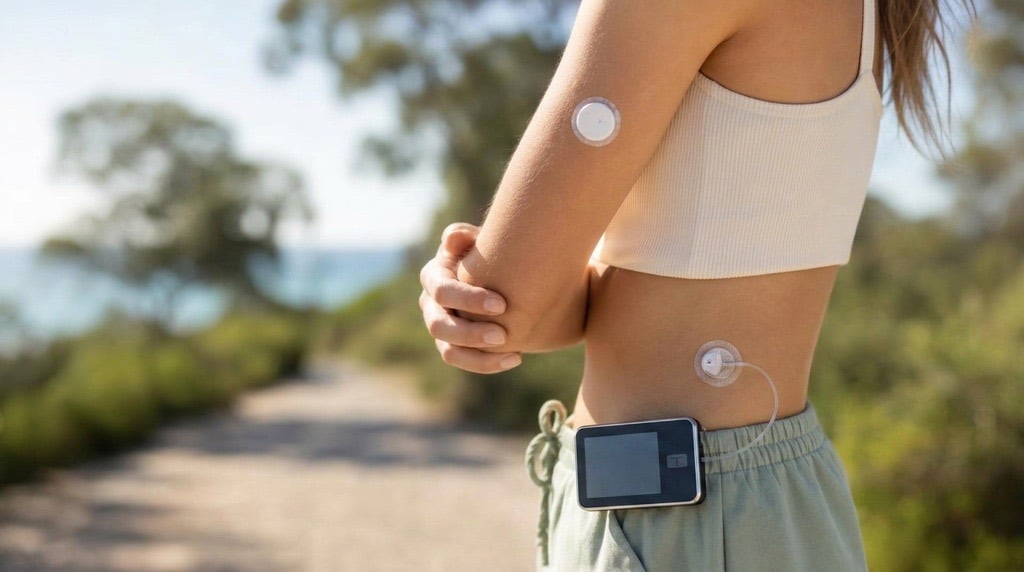
The good news? The latest generation of diabetes technology is catching up to how people want to live – smaller devices, extended wear sensors and smarter algorithms. In this update, we’re breaking down the latest tech developments designed to keep you in range so you can spend less time managing your device and more time enjoying the sun!

Sensors:

DEXCOM

The most important update for Dexcom users is the discontinuation of Dexcom G6 manufacturing as of July 1st, 2026. Please make sure to reach out to your healthcare team to upgrade to the Dexcom G7 or another sensor.

We are still waiting for the 15-day wear sensor in Canada, however this is already available in other countries.

LIBRE 3

A new app will be coming soon that will consolidate the existing separate apps for each Libre (2, 3, etc). This will make it easier for future upgrades so you can keep the same app. Additionally, there will be some new features – after taking a photo of your food, it can give you nutrition recommendations, and there will be different ways to customize alerts.

In Canada, we are still waiting for the Libre Duo – which checks glucose levels as well as ketone levels, however it is planned to be available in Europe hopefully later this year.

Pumps:

MININED

Earlier in the year, Minimed’s (formerly Medtronic) new sensor Simplera was approved by Health Canada. It will link with the 780G pump and have an easier insertion with no transmitter. It’s not yet commercially available but hopefully will be before the end of the year!

Coming down the pipeline eventually will be a new algorithm that will no longer require meal boluses entered from the user and also have lower blood glucose targets in auto mode. There are also plans for there be a much smaller pump available as well.

TANDEM

Late into 2025, Tandem launched their Tandem t:slim Mobile App which allows users to bolus directly from their phone without needing to do so from their pump. The app will also upload the pump data directly to the Tandem Source website so you no longer have to spend time manually uploading your pump.

Just launched in June 2026 is Control IQ+! There are now broader indications for use of the pump including those 2 years of age and up, weight range of 9-200kg and total daily insulin dose from 5-200 units. It also brings back the ability to use a temporary basal rate up to 72 hours and now allows the option to lengthen an extended bolus up to 8 hours (previously only 2 hours). These settings can help with different activities, meals and changes in schedule.

OMNIPOD

Not available in Canada yet, Insulet has launched an “enhanced” algorithm that allows users to select a lower blood glucose target and will hopefully allow users to stay in auto mode for longer with less interruptions.

Ultimately the best tech is the one that fits your specific lifestyle and goals. Speak with your healthcare team for more information about insulin pump and CGM options. The technology is evolving fast but you remain the expert on your own body. Stay cool, stay connected and enjoy the rest of your summer!

CategoriesUncategorized

Refresh your Mind- A Practical Guide to Mental Wellness

An often-overlooked area of our overall wellness is our mental health. We typically hear about how we should eat healthy or lose weight but our mental health maintenance is not something that is typically talked about or encouraged. However, the fact remains it can feel very difficult to take care of ourselves when we are not feeling mentally healthy.

Here are some tips to help you focus on your mental wellness:

Get enough sleep.  As boring and predictable as it sounds, there is no way around it! We need to get enough sleep for our body to rest and heal itself. Stick to a schedule during the week and weekends, eliminate light in your bedroom or wear an eye mask if this isn’t possible, and avoid things such as alcohol, exercise, screens, caffeine, heavy meals, etc. at least 1 hour before bedtime.

Have some fun! As adults, work is usually prioritized over play. However, research shows that participating in hobbies, laughing, and experiencing joy are all tied to more positive mental health. Of course, what each person will find fun will differ greatly! Reading, watching movies, creating art, puzzles, experiencing nature, sports, spending time with loved ones, listening to music, playing games, etc. are all different ways to “fill your cup”.

Stay social. Even if you consider yourself shy or introverted, we all need positive social interactions in our life to stay fulfilled. Ensure you maintain social relationships, whether it’s through family or friends, coworkers, clubs or events through a community centre, church or library.

Keep positive! Seems simple but there is research showing that having a positive attitude can help improve our mental health. This is something you may need to practice at first.  Start by recognizing when you are speaking negatively to yourself. If you wouldn’t say it to someone else, then don’t say it to yourself! Another way to practice is to use positive self-affirmation. An example is “I am deserving of happiness, love and respect.” You can either write these words on a piece of paper and keep in your home where you will see it or simply repeat to yourself when you are having a hard time.

Move your body! It can sometimes feel difficult to get active when you’re not feeling your best mentally, however exercise does have the power to boost our mood. Focus on joyful movement such as walking or hiking in nature, stretching or practising yoga, or dancing to your favourite music. Exercise and physical activity should not feel like a punishment!

Remember, your mental health is just as important as your physical health!  Making time to prioritize and focus on this aspect of your overall well-being can have an impact on many areas of your life.  What can you start doing today to help build your mental health and resilience?

CategoriesBlog post

Recipe: Cozy Carrot and Coriander Soup

Adapted from: https://www.diabetes.org.uk/living-with-diabetes/eating/recipes/carrot-and-coriander-soup

Serves 4
~2 cups/serving

Ingredients

1 large onion, chopped
½ cup peeled butternut squash, chopped
6 cups carrots, chopped
1 L of reduced salt vegetable stock
1 tsp ground coriander
1 cup canned cannellini beans, drained and rinsed
½ small pack fresh coriander, finely chopped
3 tbsp plain yogurt

Recipe:

Step 1

Put the onion in a large non-stick pan with the squash, carrots, stock and ground coriander. Bring to the boil over a high heat, turn the heat down to low and simmer for 20 minutes or until the vegetables are very soft.

Step 2

Add the beans to the soup and simmer for 2 minutes. Take off the heat, cool slightly, then pour into a food processor or liquidiser and whizz until smooth.

Step 3

Stir in the coriander and quark, season with pepper, if you like, and serve.

Nutritional information per serving (~2 cups):

Total calories: 144 kcals
Carbohydrate: 24 grams
Fibre: 10 grams
Protein: 5 grams
Fat: 1 gram

CategoriesBlog post

Make 2026 Your Best Year Yet!

A practical guide for goal setting!

Happy New Year!

We hope everyone enjoyed a wonderful holiday season with loved ones. As we step into 2026, many of you may be setting New Year’s resolutions. But you might also be wondering: why is it so hard to stick to the goals we set? You’re not alone! In fact, about half of people who set goals have trouble maintaining them. So, what can help? Here are some science-backed strategies to support the healthy changes you want to make this year.

Be Flexible with Yourself.

It may sound counterintuitive, but being too strict can actually backfire! Let’s say you plan to attend an exercise class three times per week. One day you’re running late or just too tired to go. It’s easy to feel discouraged and want to give up altogether. Instead, give yourself grace! If you can’t make the class, try a quick walk or a short home workout. Any movement—even five minutes—is better than none.

Track Your Progress.

Monitoring your progress can make a big difference. This could mean using a step tracker if you’re increasing your walking, keeping an eye on lab results while working on your A1C or cholesterol, or jotting down what you eat if you’re focusing on nutrition or weight management. Small bits of data help you recognize progress you may not notice day-to-day.

Set Realistic Goals.

Avoid setting goals for the “ideal future version” of yourself, like exercising every single day or maintaining a perfect diet. When goals are too big or too rigid, it’s easy to feel overwhelmed or defeated. Unrealistic goals can even lead to injury if you push too hard, too soon. Aim for gradual, sustainable progress. Small steps really do add up. Your diabetes team may have shared with you the acronym SMART goals. These types of goals are Specific, Measurable, Attainable, Realistic and Timely. In other words, they set you up for SUCCESS. Achieving even a small goal can be the momentum you need to keep going.


Build or Join a Community.

Whether it’s a friend or family member, a running group, an exercise class, or an online community, having others alongside you can be incredibly helpful. Community offers accountability, encouragement, emotional support, and even helpful tips when you need them. Search your local social media pages, like neighborhood Facebook groups or specific hobby groups, like a craft or walking group to see what’s available in your community.

Let Go of the Guilt.

Our minds often get in the way of progress. Be kind to yourself, especially when trying something new. Change is rarely a straight line; setbacks are normal and expected. In fact, we often learn the most from moments that don’t go perfectly. It’s all part of the process. A small win is worth celebrating. Remember to set yourself up for success with a goal that feels achievable.

Let’s wrap up this article with a short activity:
Answer these questions in your notebook or create a new note on your smartphone:

1. What is 1 small thing I can work on?
2. What are 5 things that I am grateful for?
3. What am I proud of this past week? Small wins count!

Wishing you all the very best in your health journey for 2026. We’re here to support you every step of the way!

Add to cart